Helping orthopedic patients
for over 50 years
Fellowship trained in adult hip
and knee reconstruction
Physical Medicine, Rehabilitation
and Electrodiagnostics
Surgical excellence in spine
and back trauma
The region's best shoulder and upper extremity orthopedic services
orthopedic care and surgery
for titusville-area patients
Sports Medicine and
Life-Restoring Orthopedics
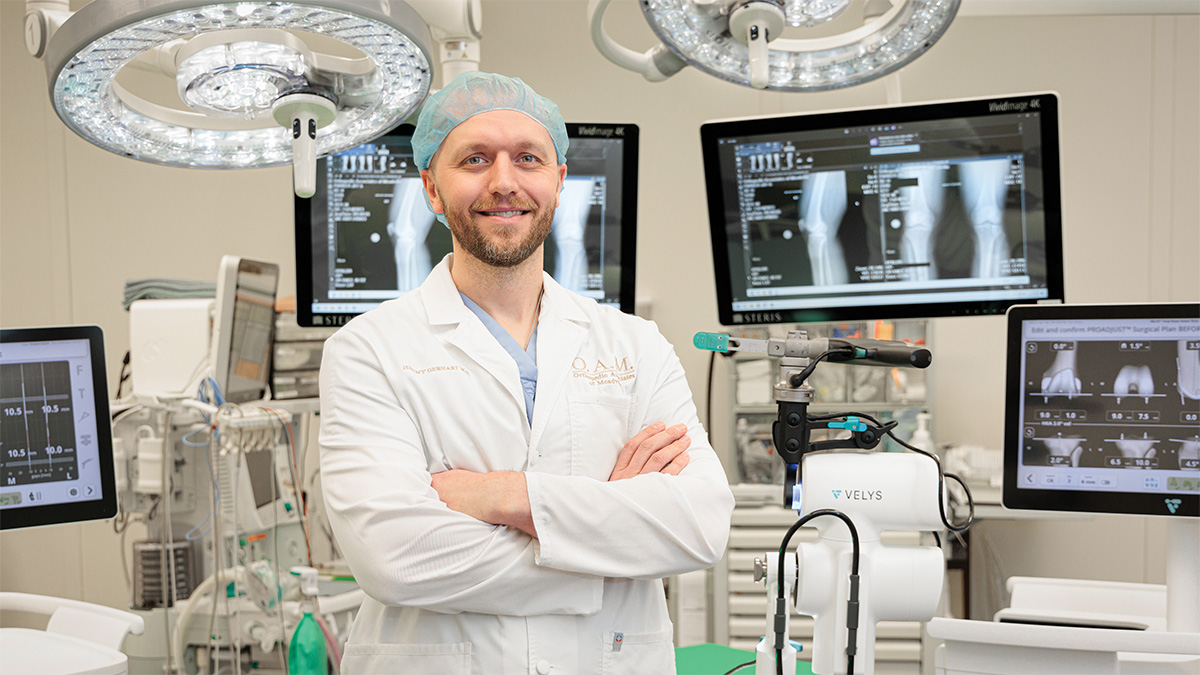
Introducing the VELYS™ Robotic-Assisted Solution
Jeremy Gebhart, MD, FAAOS, FAAHKS, is the first provider in Northwest Pennsylvania to use this technology for more precise and less invasive knee replacements! You’ll currently find it only through Orthopedic Associates of Meadville and Meadville Medical Center!
This technology is tailored to each patient’s anatomy with digital precision and accuracy for customized knee replacements. This means predictable results for improved outcomes, increased mobility, and faster recovery times.
Meet the Providers
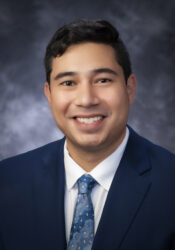
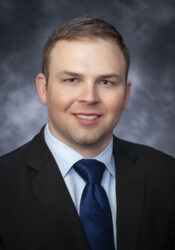
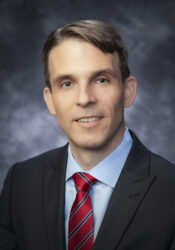
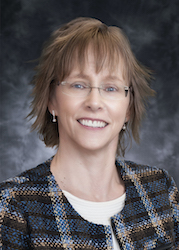
Our physicians at Orthopedic Associates of Meadville
David J. Carl D.O., M.S.
Orthopedic Surgeon
Jeremy J. Gebhart, M.D.
Orthopedic Surgeon
Michael Ghassibi, D.O.
Orthopedic Surgeon
James Nemunaitis, D.O.
Orthopedic Surgeon
Charley Gates, M.D.
Orthopedic Surgeon
Theresa A. Wheeling, M.D.
Physical Medicine and Rehabilitation,
Electrodiagnostics
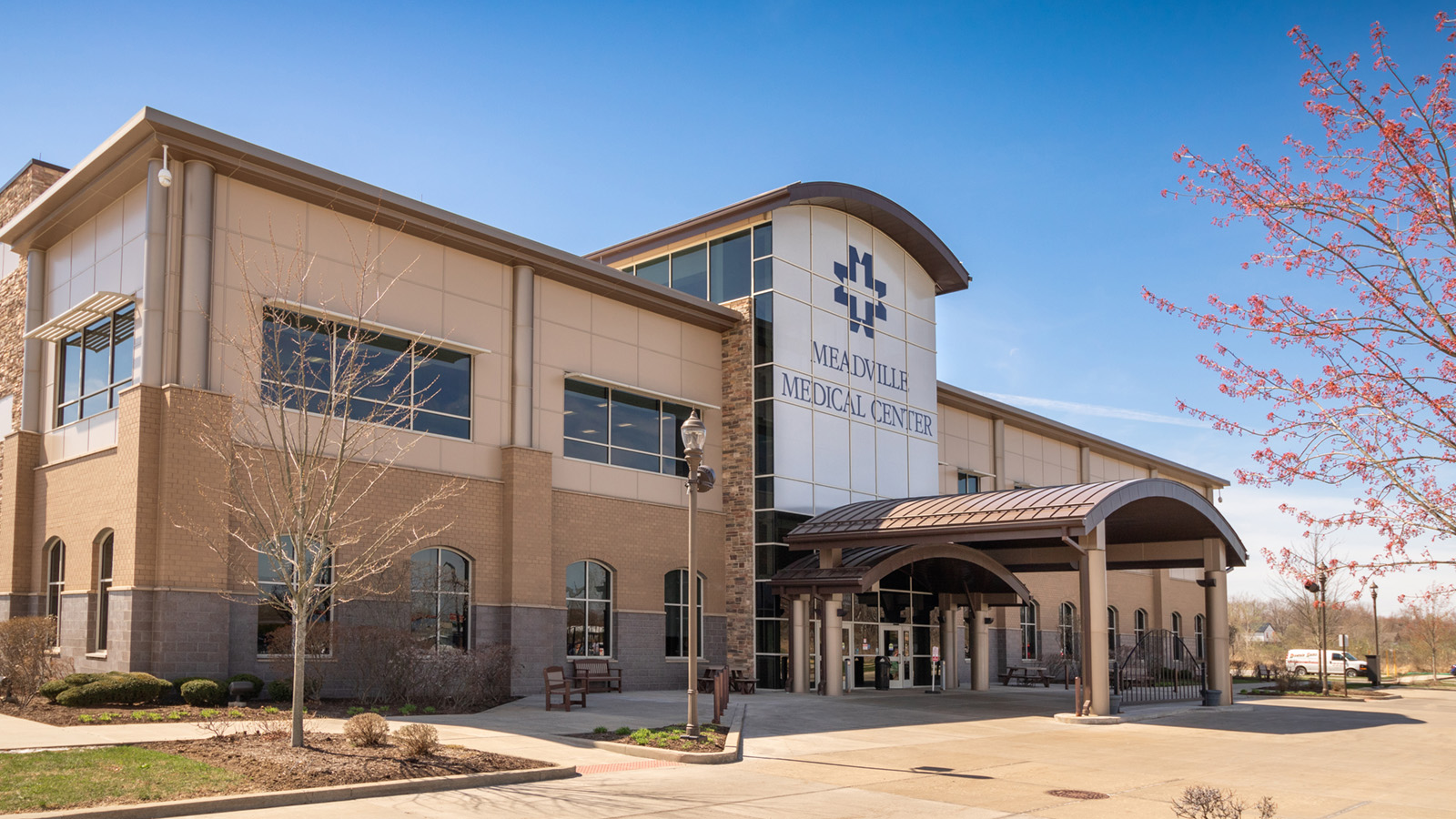
ORTHOPEDIC ASSOCIATES OF MEADVILLE
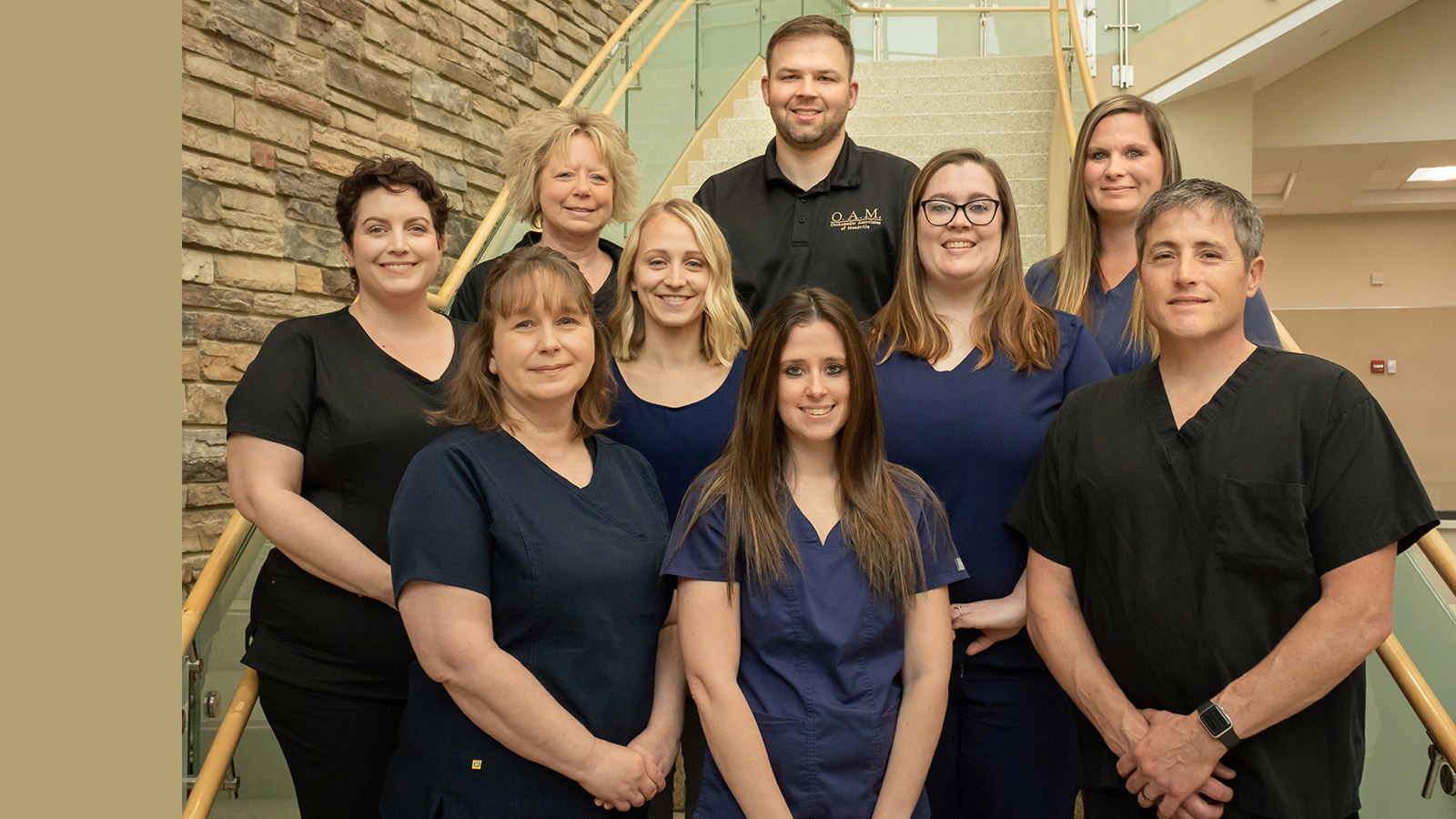
Orthopedic Associates of Meadville has been helping patients for over 50 years and we would like to welcome you to our website! We hope you find our website helpful when searching for information about our practice and your healthcare needs.
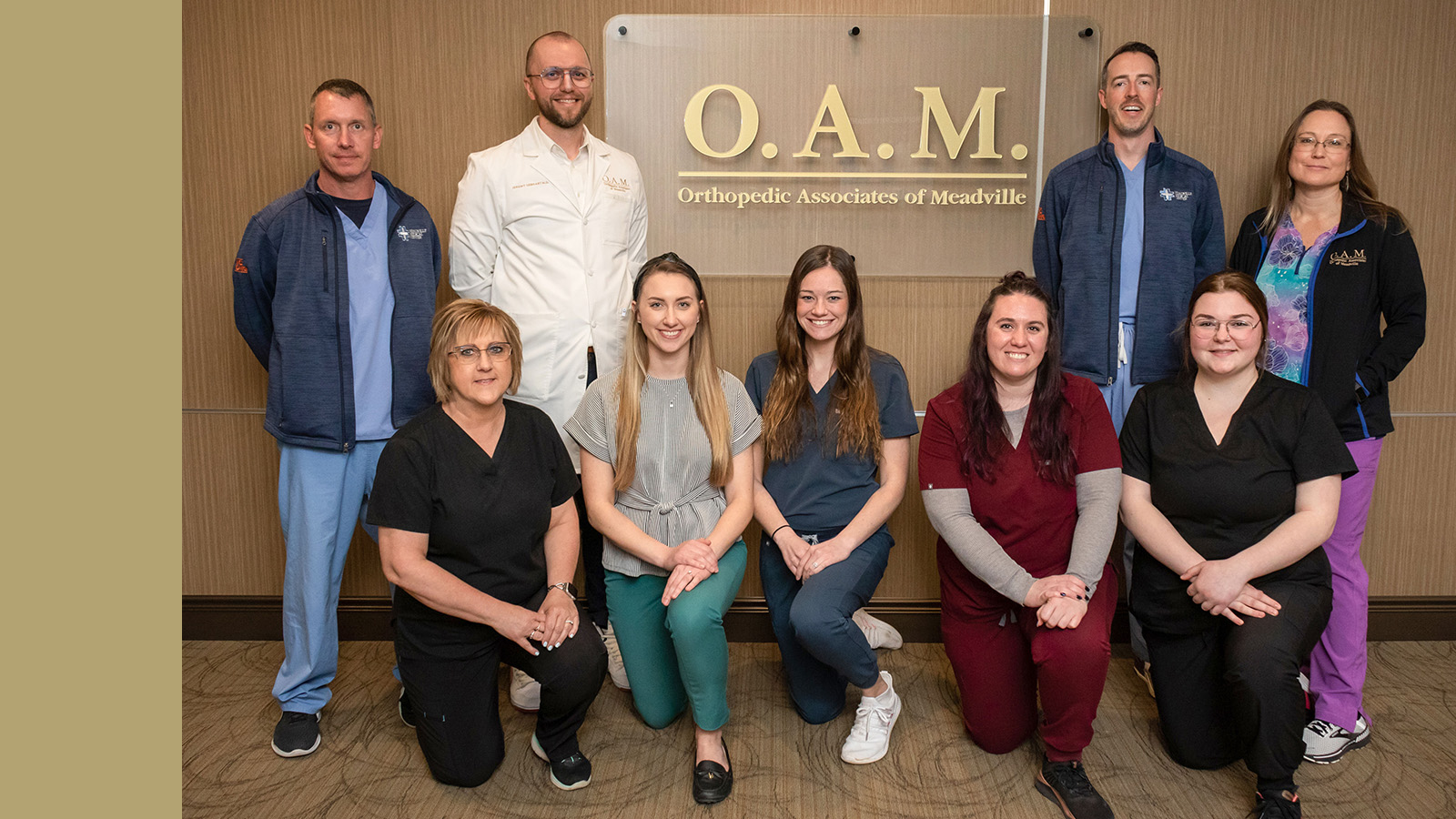
Our patients are very important to us and we want you to have the best possible experience while you are under our care. We are confident that you will find our five fellowship trained surgeons, physician assistants, and staff dedicated to providing quality patient care. We look forward to serving you.
OAM charges a $25.00 no-show fee for patients who fail to cancel their appointment at least one business day in advance.